 |
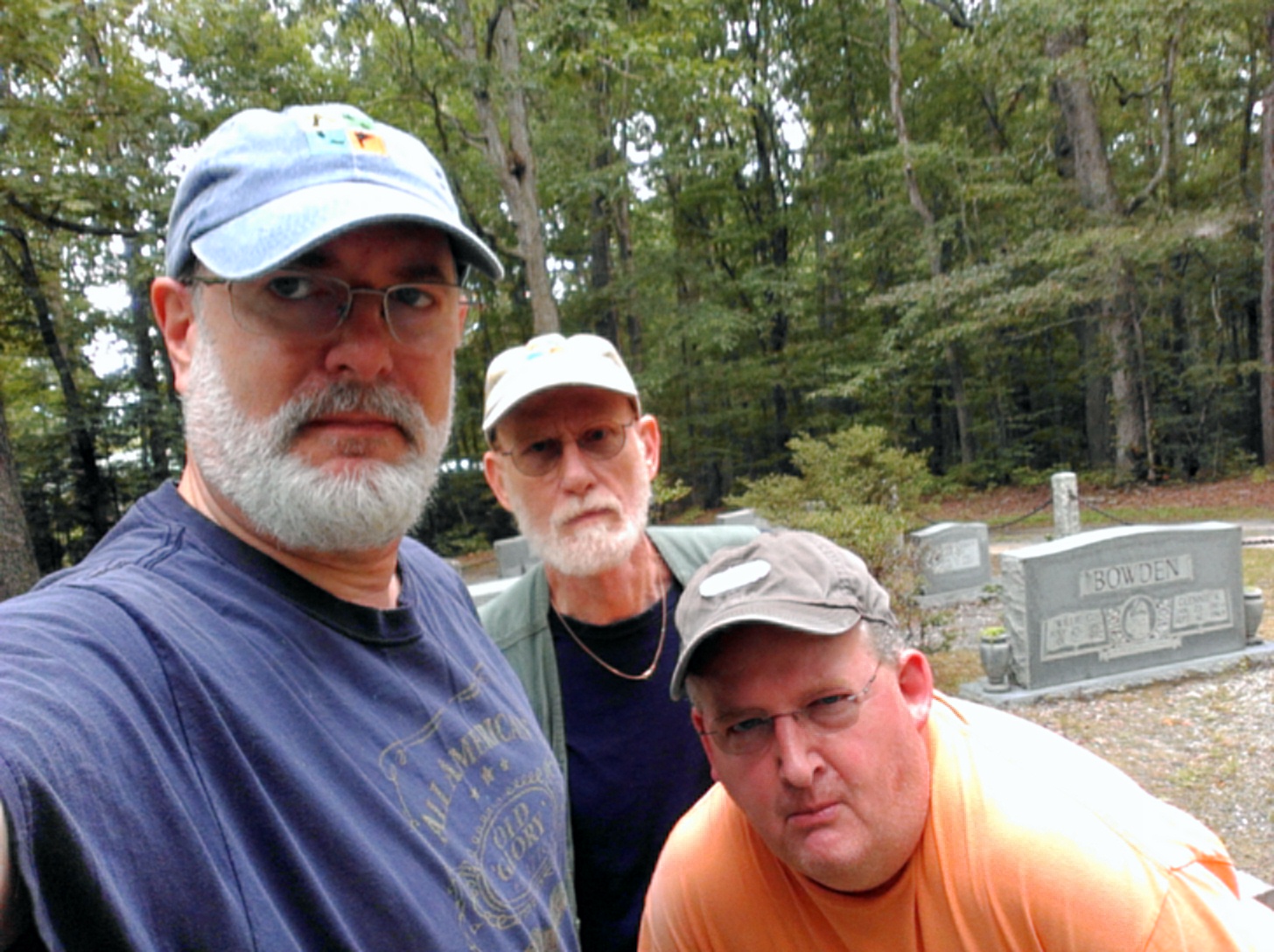
| Old Rodan and a pair of Rob zombies |
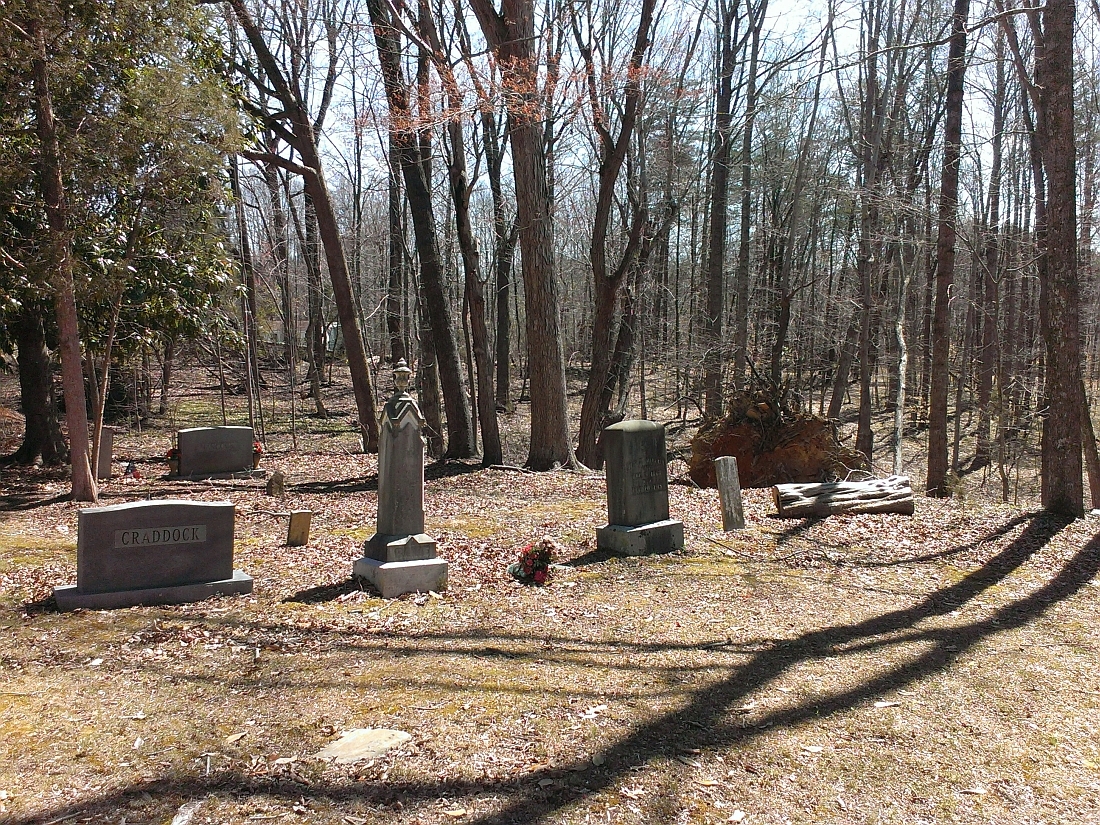
This morning, the original Team Old Fart — Old Rodan, Robbin (a.k.a. Yoda Rob), and Robert (a.k.a. Old Rob, Bloody Rob, Robgso, et. al.) — headed out into the wilds of Stokes County for a day of geocaching in some of North Carolina's most scenic rural surroundings. We picked up a modest ten caches, but today, quality exceeded quantity by a long shot. We experienced lonely, shadow-laden graveyards; the remains of a 19th-century iron furnace; a hidden walkway beneath an old stone bridge, featuring a cache aptly called "Welcome to Jurassic Park" (
GC61H34); the ruins of an abandoned prison farm; and the village of Danbury, which is rich in Civil War history, raided by Union General George Stoneman in March of 1865.
"Community Dead Zone #1" (
GC2YCZC): a picturesque little graveyard tucked away from civilization — such as it is, out here in the sticks — where you will find the graves of mass murderer Charlie D. Lawson and his wife and children, whom he shot dead in the year 1929. The story is thus (excerpted from Wikipedia):
"Charles Davis Lawson (May 10, 1886–December 25, 1929) was a Stokes County tobacco farmer who is remembered for having committed one of the most notorious mass murders in the state's history. On Christmas Day, 1929, Lawson killed his 37-year-old wife, Fannie, and their children Marie, 17; Carrie, 12; Maybell; 7, James, 4; Raymond, 2; and Mary Lou, 4 months.
"Lawson began the slaughter with his daughters, Carrie and Maybell, as they were setting out to visit their uncle and aunt. Lawson waited for them with his shotgun behind the tobacco barn, and when they were in range, he shot them. He then placed their bodies in the tobacco barn.
"Next, he returned to the house and shot Fannie, who was sitting on the porch. Inside the house, Marie, upon hearing the gunshot, screamed in terror, while the two small boys, James and Raymond, attempted to find a hiding place. Lawson entered the house, shot Marie, and then found and shot the two boys. Lastly, he killed the baby, Mary Lou. After the murders, he went into the nearby woods, where he finally shot himself. The only survivor was his eldest son, 19 year-old Arthur, who had gone out on an errand.
"Many people had learned of the gruesome event and gathered on the property when the gunshot signaling Lawson's suicide rang out. The bodies of the family members were found with their arms crossed and rocks under their heads. The police officer who found Lawson's body also discovered several letters to his parents, which he had written prior to his killing spree.”
The serene beauty of this old graveyard provided a most inviting contrast to the macabre story of the Lawson murders. While hunting the cache, which is just outside the boundary of the graveyard, I was standing at a spot that, according to my GPS, was one foot from the cache, looking down. Yoda Rob suddenly hollered, "It's there!" and pointed to where I was standing. When I looked up, the cache container smacked me right in the face. How handy — better, I suppose, than encountering a ghost with a ghostly shotgun.
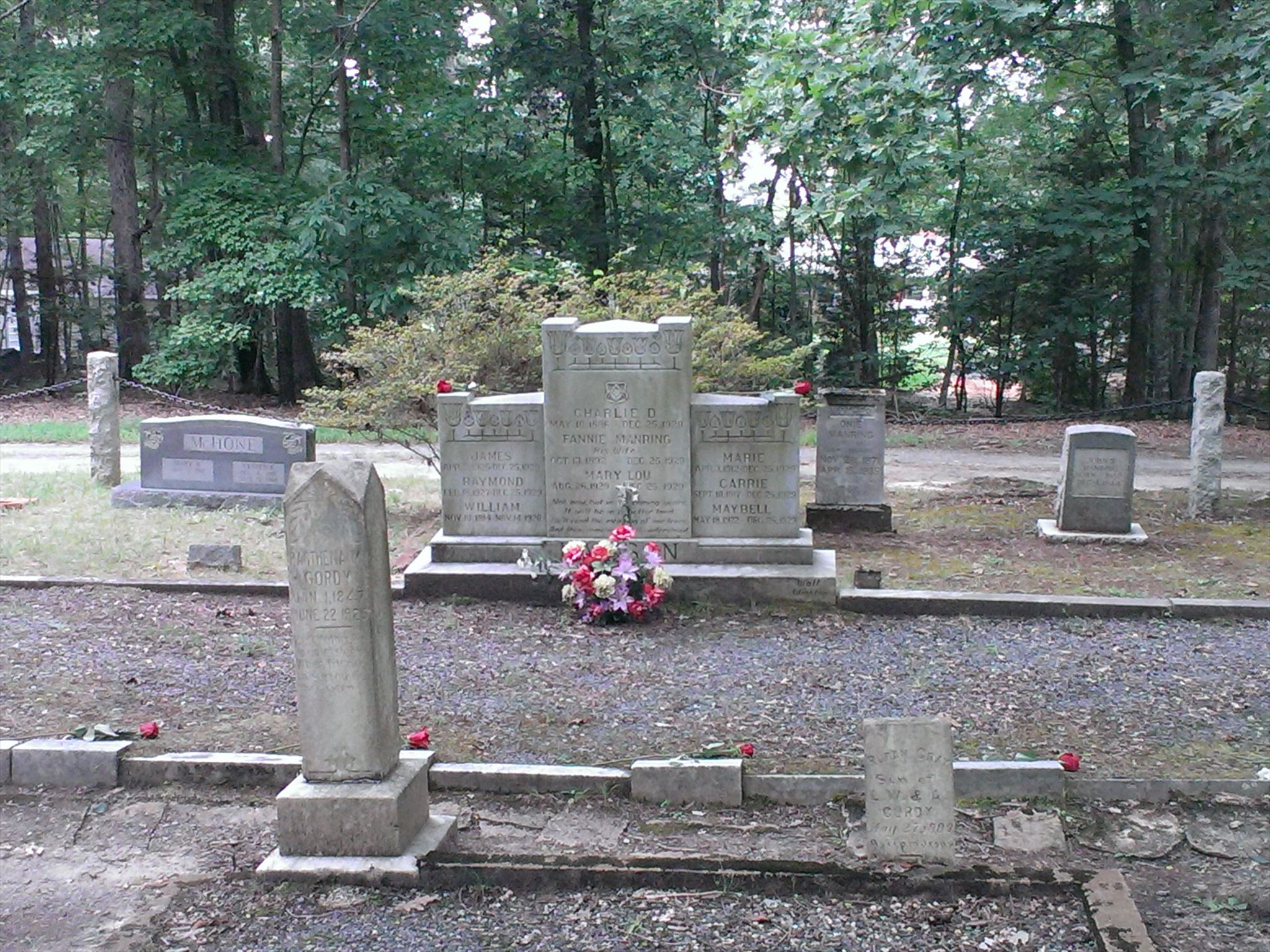 |
| The Lawson family graves |
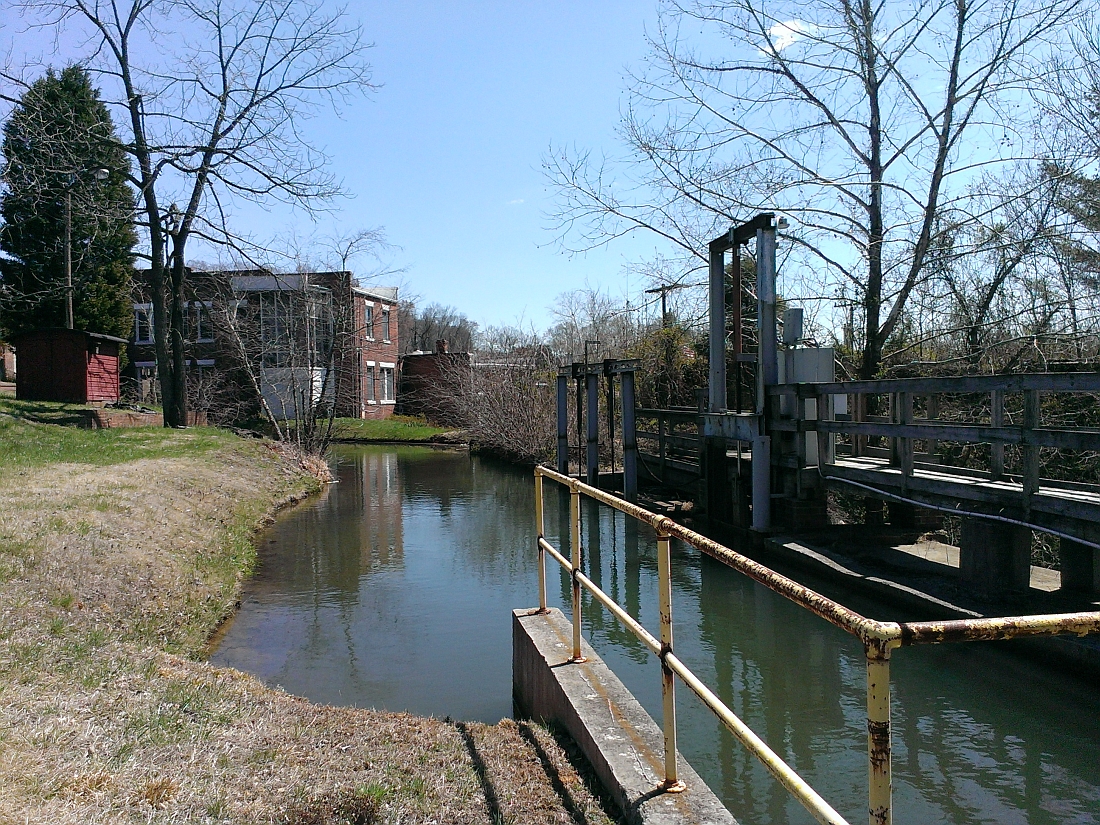
Not far away, we find Moratock Iron Furnace, which was built by Nathaniel Moody and John Pepper in 1843. During the Civil War, iron from the furnace was used to make swords and munitions for the Confederacy, which was cut off from outside sources of iron. In April 1865, Union General George Stoneman destroyed the furnace’s outbuildings, though they were eventually restored to operating condition, and the furnace continued to operate until the 1890s. The Moratock furnace is one of only a handful of iron furnaces that remain intact in North Carolina. There are two nice multi-caches to be found in Moratock park. No ghosts here; just a pair of Rob zombies, who would not stop following me.
Historic Danbury is a small village at the edge of the mountains in Stokes County, with many restored 19th century buildings still in use today. When General Stoneman raided Danbury in 1865, he set up his headquarters in Moody's Tavern in the center of town. Though the building remains in near-pristine condition, the tavern itself has long since closed; I suspect that if restored, it would do a brisk business. We hoofed it from one end of town to the other, gathering clues to the location of the final cache. Once again, we discovered a scenic, historical graveyard that brought much joy to this geocaching writer of all things horrific.
However, rather sadly for me, this trip cleared out all the caches I had yet to find in and around Danbury. I'd love it if some fine geocacher whose sphere of influence includes this community would populate the area with a few more nice hides so the Old Farts might ride again out that way. Hope shambles eternal.
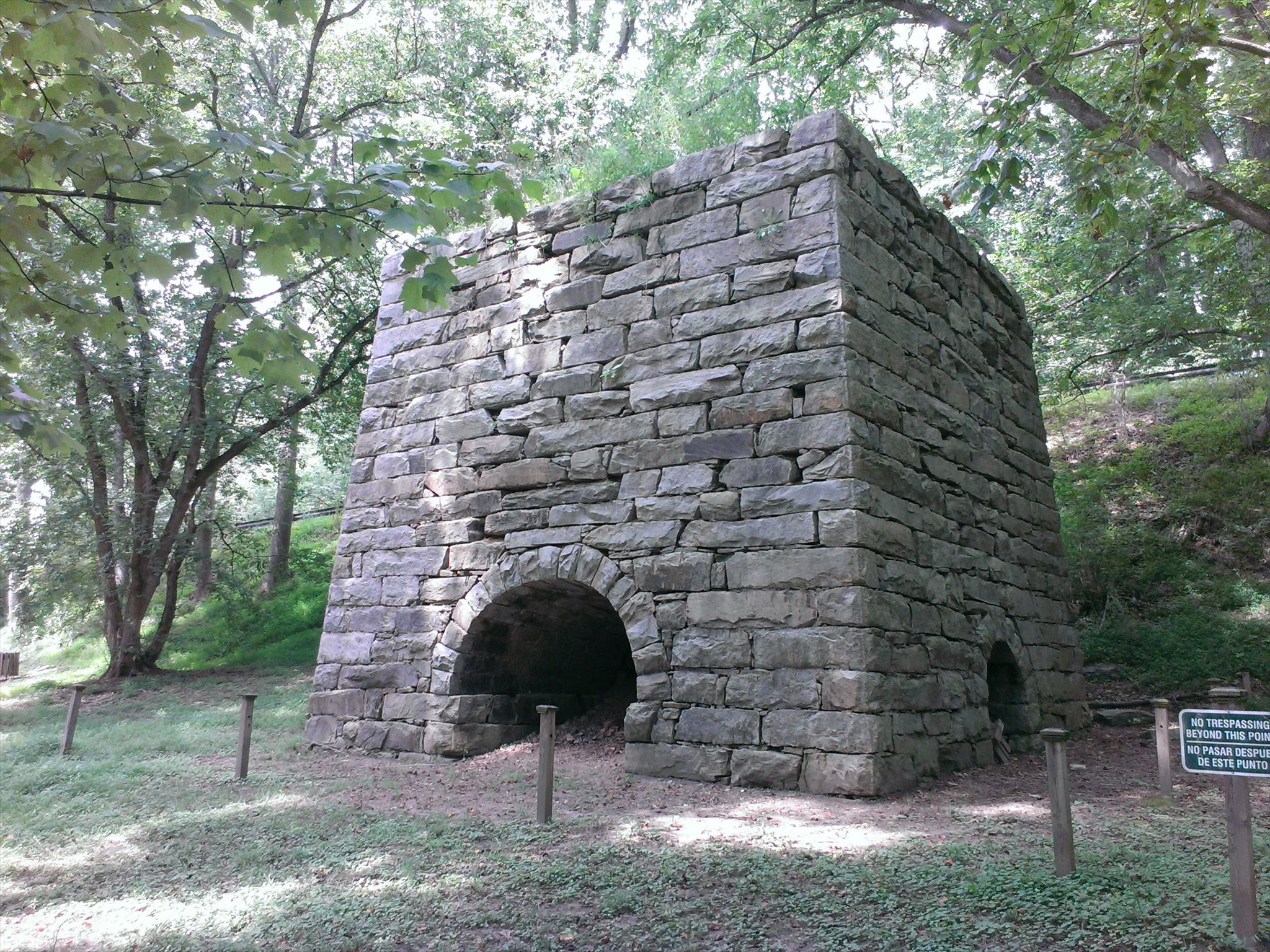 |
| Moratock Iron Furnace |
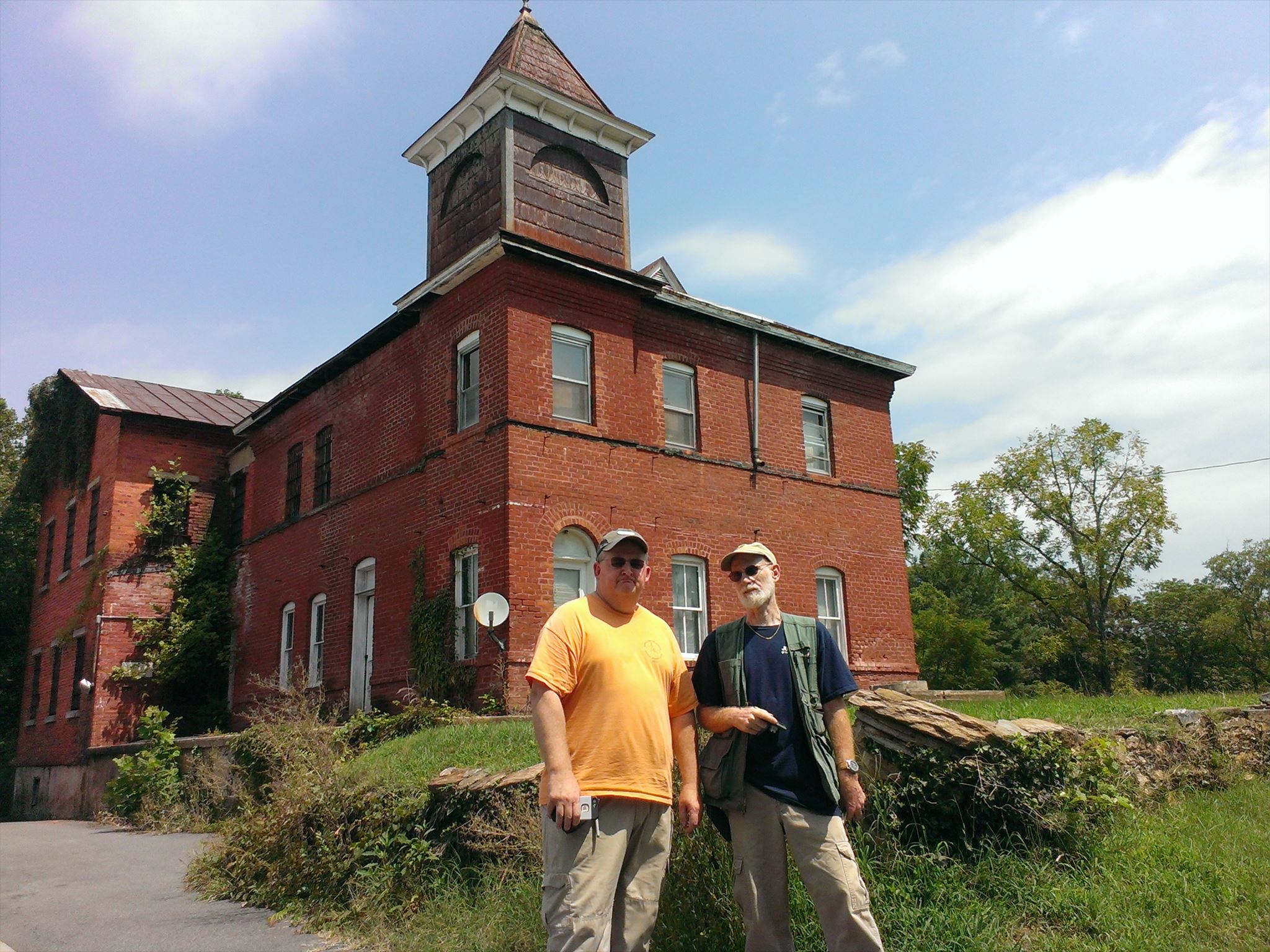 |
| Yoda Rob and Bloody Rob, inmates at the old prison |
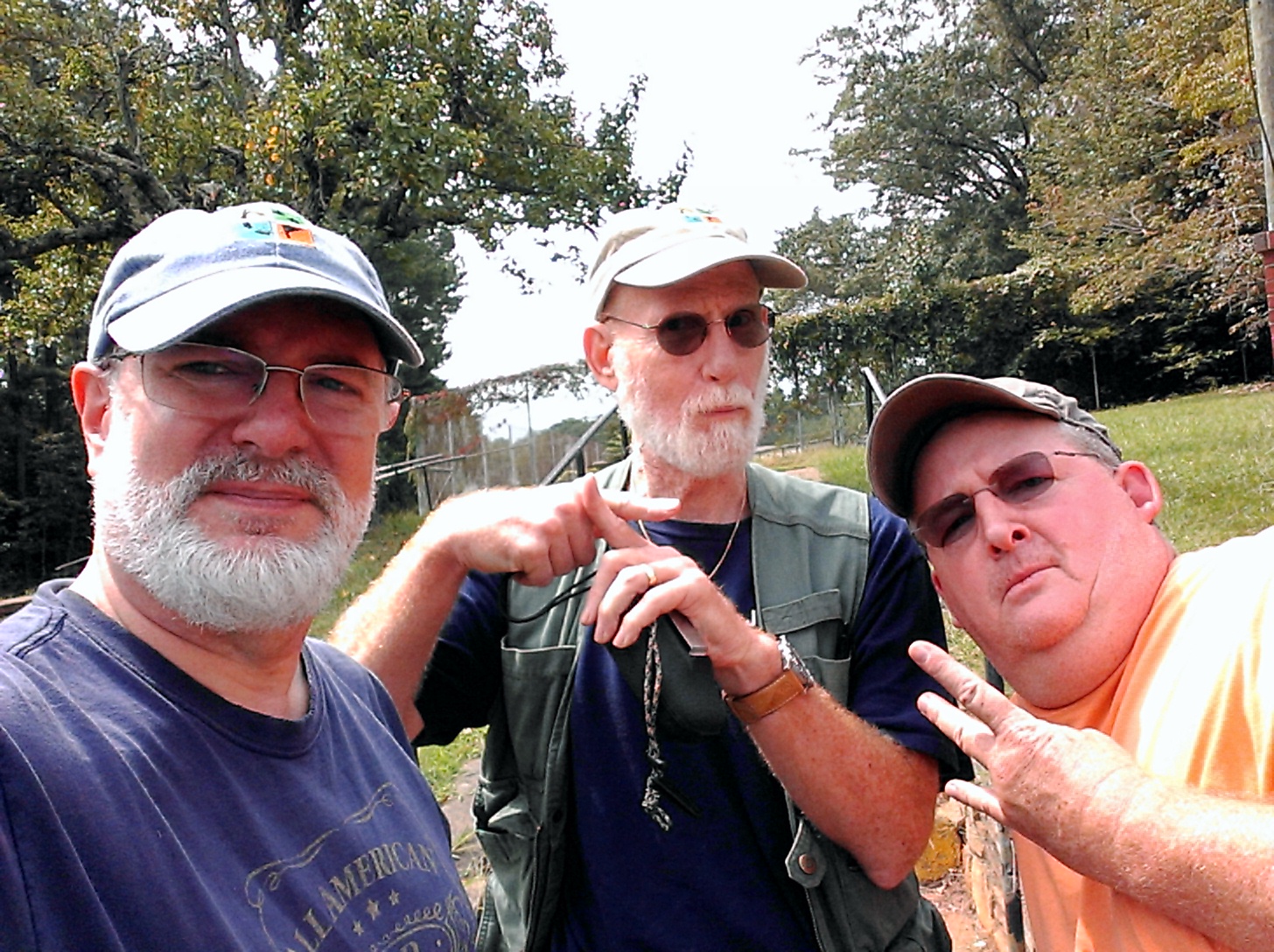 |
| The zombies followed me, they did. |
 |
| Stokes County courthouse in Danbury |
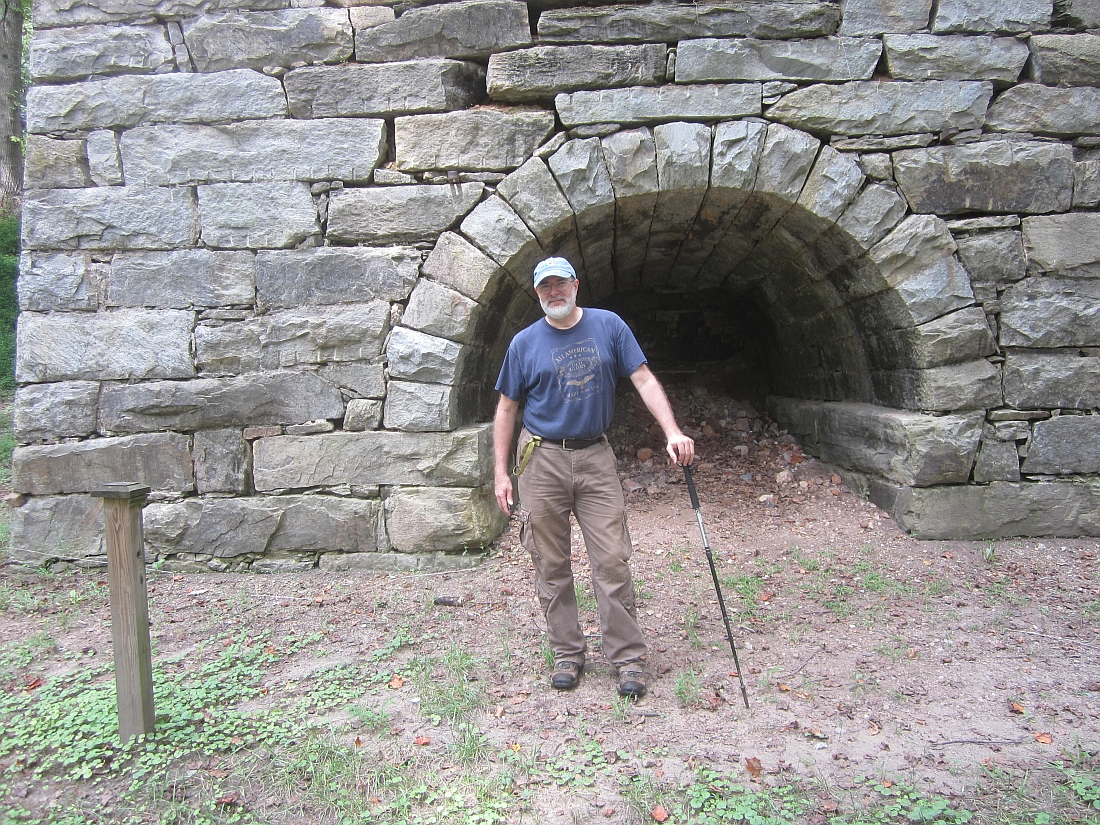 |
| Ol' Rodan beating the heat at Moratock Iron Furnace |